

What 7,400 Physicians Reveal About Japan’s Next Medical Breakthrough

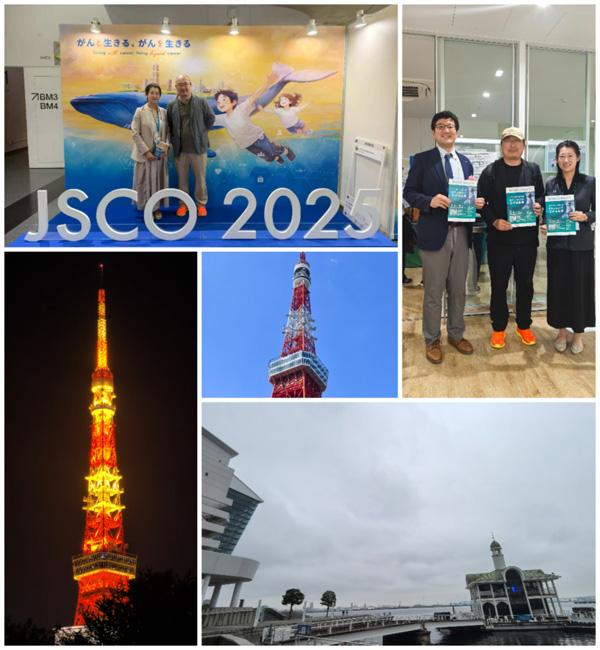
Located just 1.2 kilometers from the iconic Tokyo Tower, the International University of Health and Welfare (IUHW) is Japan’s first comprehensive university dedicated to training professionals in medicine and social welfare. Established in 1995, IUHW now spans five campuses, 11 schools, and 28 departments, with over 10,000 students.
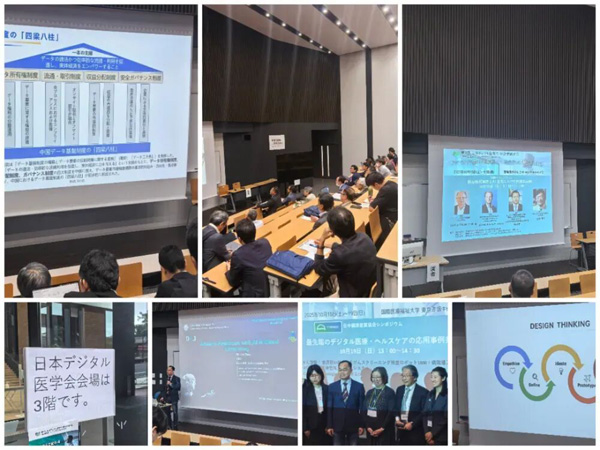
On October 18–19, IUHW hosted the 1st Annual Meeting of the Japan Society of Digital Medicine (formerly the IT Healthcare Society). The event attracted around 400 physicians and 200 policy and industry leaders from across the country—primarily hospital administrators, digital health practitioners, and healthcare innovators.
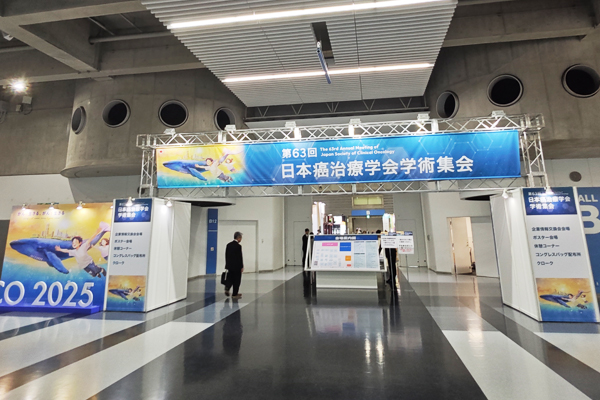
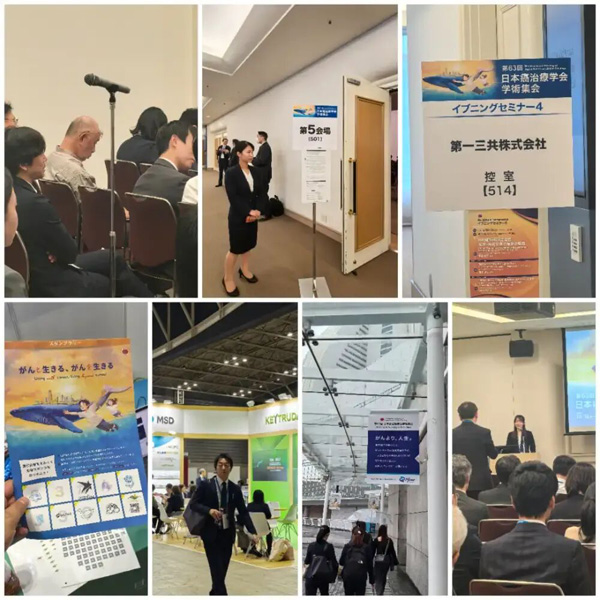
This scale stands in stark contrast to the 63rd Annual Meeting of the Japanese Society of Clinical Oncology (JSCO), held just days earlier. That conference drew over 7,000 physicians, nearly half of JSCO’s 17,000 registered medical members. The oncology congress was held in the massive Pacifico Yokohama Convention Center, surrounded by luxury hotels, large shopping complexes, and even seagull calls from the harbor—symbolizing its prestige.
This difference appears to reflect the current gap between Japan’s traditional clinical disciplines and its still-emerging digital health ecosystem.
But is that the full story? What direction is Japan’s healthcare industry truly heading? What problems is it trying to solve? And what opportunities exist for global—especially Chinese—medical technology companies?
At the invitation of Ms. Megumi Kanazawa, President of the Japan–China Health Industry Association, Artery Network joined both conferences to find the answers.
**01
Living With Cancer, Living Beyond Cancer
Japan’s Oncology Field Emphasizes New Therapies, Digital Tools, and Multidisciplinary Care**
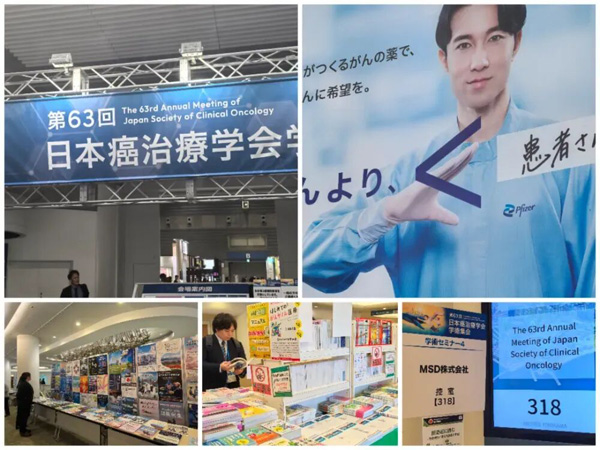
Over three days, the JSCO annual meeting presented nearly 300 academic sessions and gathered Japan’s most influential researchers and clinicians from Kyoto University, Sapporo Medical University, and major cancer centers nationwide.
The conference theme appeared everywhere:
“Living With Cancer, Living Beyond Cancer.”
Ten years ago, the theme was simply “Living With Cancer.”
Now, Japan’s oncology leaders emphasize a more progressive view: cancer should be recognized, understood, and managed—without dominating the patient’s identity or life.
Key topics receiving strong attention included:
- New immunotherapies and the next generation of cancer immune research
Prof. Hiroyoshi Nishikawa of Kyoto University delivered a keynote on cutting-edge cancer immunology and future therapy development. - Breakthroughs in treating triple-negative breast cancer (TNBC)
The combination of ADCs (antibody–drug conjugates) and immunotherapy has brought new hope to a once highly challenging cancer subtype. - Rising interest in nuclear medicine and radiopharmaceutical therapy
Experts discussed treatment pathways, regulatory challenges, and clinical benefits for diseases such as advanced prostate cancer and pancreatic cancer. - Rapid expansion of AI and digital transformation (DX) in cancer care
Topics included AI models predicting cancer risk, comparison between AI and human breast specialists, XR navigation for gynecologic cancers, and AI-enabled clinical trials.
In the exhibition hall, a small number of Chinese digital health companies were present.
Among them, the Dr. J AI Breast Cancer Screening Robot, developed by the Chinese company J-Med and invested by Japan’s Fortune 500 corporation Sojitz, attracted strong interest from Japanese physicians who focused on clinical validation, workflow integration, and reimbursement models.
Dr. J’s founder, Dr. Zhenzhong Zhou, noted that Japan is a key market the company plans to deeply cultivate.
**02
Japan’s Growing Anxiety—and Opportunity—Around Digital Healthcare
A System Ready for Reinvention**
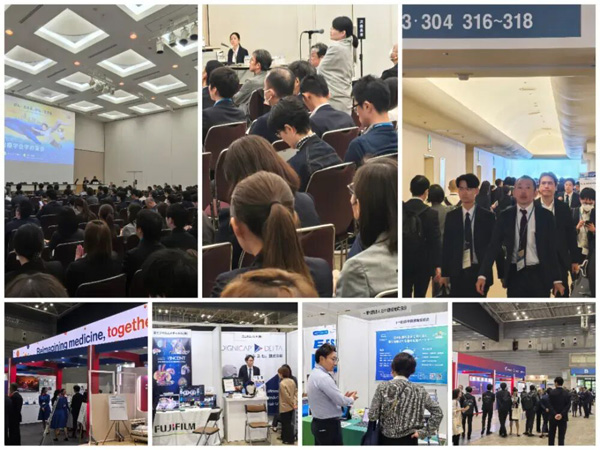
The Digital Medicine Annual Meeting—held in three modest university classrooms—felt dramatically different from the grand oncology congress. Yet the atmosphere was intense, practical, and forward-looking.
It marked the 30th anniversary of the former IT Healthcare Society and its first year under its new name: Japan Society of Digital Medicine.
The theme:
“Digital Transformation in Healthcare and the Future It Enables.”
The agenda focused on:
- international digital health lessons from Denmark, Germany, China, and Japan
- cybersecurity risks and protective strategies
- AI-enabled diagnosis and personalized care
- remote and community-based care models
- how digital tools can solve Japan’s most urgent healthcare challenges
Speakers emphasized a consistent message:
Japan’s aging population and rising medical burden make digital health not optional—but inevitable.
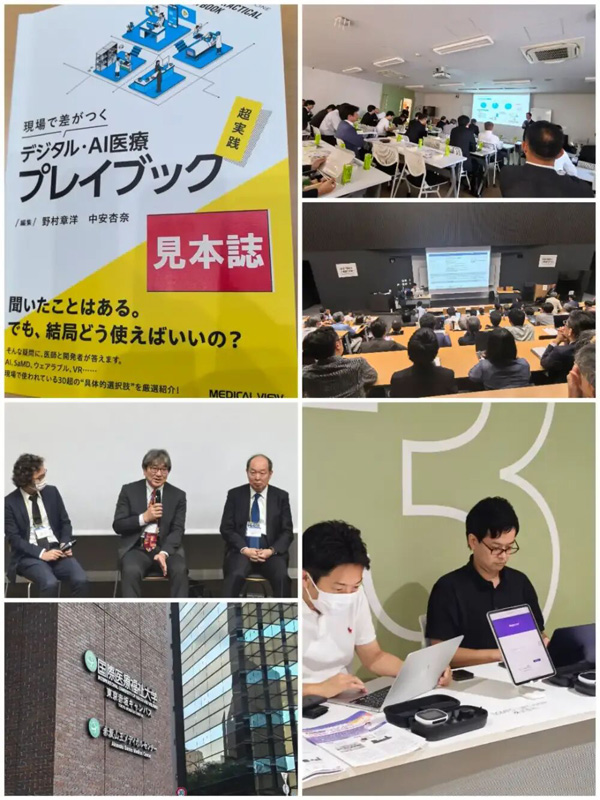
Ms. Megumi Kanazawa highlighted the growing opportunity for Chinese companies: Japan has clear, specific, and highly specialized needs. Many Chinese healthcare innovations—already refined and commercially proven—are uniquely suited to address these needs if adapted thoughtfully for Japan’s market.

**03
Two Case Studies and Four Characteristics of Japan’s Digital Health Market
Plus a Story Revealing Cultural Differences**
Case 1: A simple AI assistant with surprising commercial traction
A Japanese company developed a lightweight AI-based appointment and communication system for clinics and pharmacy chains.
Price: ¥1.8 million (≈ USD 12,000) per installation, plus monthly subscription fees.
Despite its simplicity, the product has already been adopted by 2,000 locations.
Case 2: A Chinese oral ultrasound device entering Japan
Integrated with advanced AI algorithms and new projection modules, it targets oral clinics, pharmacy chains, and research institutions. After completing early regulatory and distribution setup, orders have begun to flow in.
Ms. Kanazawa summarized four characteristics of Japan’s digital healthcare market:
- Products must precisely meet Japanese user needs—simple, focused, not overly complex.
- Trust from key medical KOLs is essential; companies must commit to long-term, local presence.
- Market research is mandatory before scaling; understand the ecosystem and business model.
- Japan offers small-entry, long-cycle, large-return opportunities—ideal for deep cultivation.
A cultural difference illustrated through a real negotiation story:
A Chinese company wanted to send clients to Japan for high-end checkups.
The Japanese provider quoted ¥40,000 per person, but could accept only two clients at a time due to capacity limits.
The Chinese side tried to pay more—¥50,000, then ¥60,000—to secure four slots.
The Japanese company felt insulted.
To them, the constraint was not money—it was capacity, which they had clearly communicated.
Raising the price suggested the Chinese company believed “everything can be solved with money,” violating Japanese business norms of sincerity and trust.
The partnership collapsed.
**04
Final Thoughts**
On October 6, the 2025 Nobel Prize in Physiology or Medicine was awarded to Japanese scientist Shimon Sakaguchi for his discovery of regulatory T cells—crucial guardians of the immune system.
Despite decades of hardship, minimal funding, and a life dedicated to scientific rigor, Sakaguchi persisted, reminding the world that true research excellence is built on time, focus, and perseverance.
This spirit was reflected throughout both conferences.
In every session, audiences listened in complete silence—students, corporate professionals, and senior professors alike taking meticulous notes, embracing intellectual humility and discipline.
For Chinese healthcare innovators entering Japan, this may be the first and most important lesson.
As the train to Narita Airport pulled away, the sound of seagulls faded, and Tokyo Tower disappeared from view—leaving behind the quiet determination of a country ready for a new chapter in medical innovation.
Special thanks:
Megumi Kanazawa, President of the Japan–China Health Industry Association and Co-Founder of Zencare